
36. That is the number of top medical-grade skincare brands looking at the market through the lens of 2026. It’s a crowded industry, yet it always feels like it’s reinventing the wheel. It is a strange space to occupy, sitting right at the intersection of high-end dermatology and the vanity aisles of a department store.
You have probably seen the labels. They promise more, claim more, and cost a lot more. But what are you actually paying for when a bottle costs a hundred dollars instead of ten? It isn’t just a fancy logo or a thicker cream. It’s a complicated debate about regulation, concentration, and your skin’s actual biology.
If you walk into a clinic, you aren’t just seeing a person in a white coat; you’re seeing a business model built on high-performance tools and potent topical solutions. The gap between a “beauty” product and a “medical” product is where the money, and the results, actually live.
The Great ‘Medical Grade’ Myth
Here is the truth: the term “medical grade” is incredibly nebulous. It isn’t a regulated legal category like “prescription-only.” You won’t find the FDA checking every bottle to see if it meets a specific “medical” standard. It is a marketing term used to suggest a product has a higher concentration of active ingredients than what you find on a drugstore shelf.
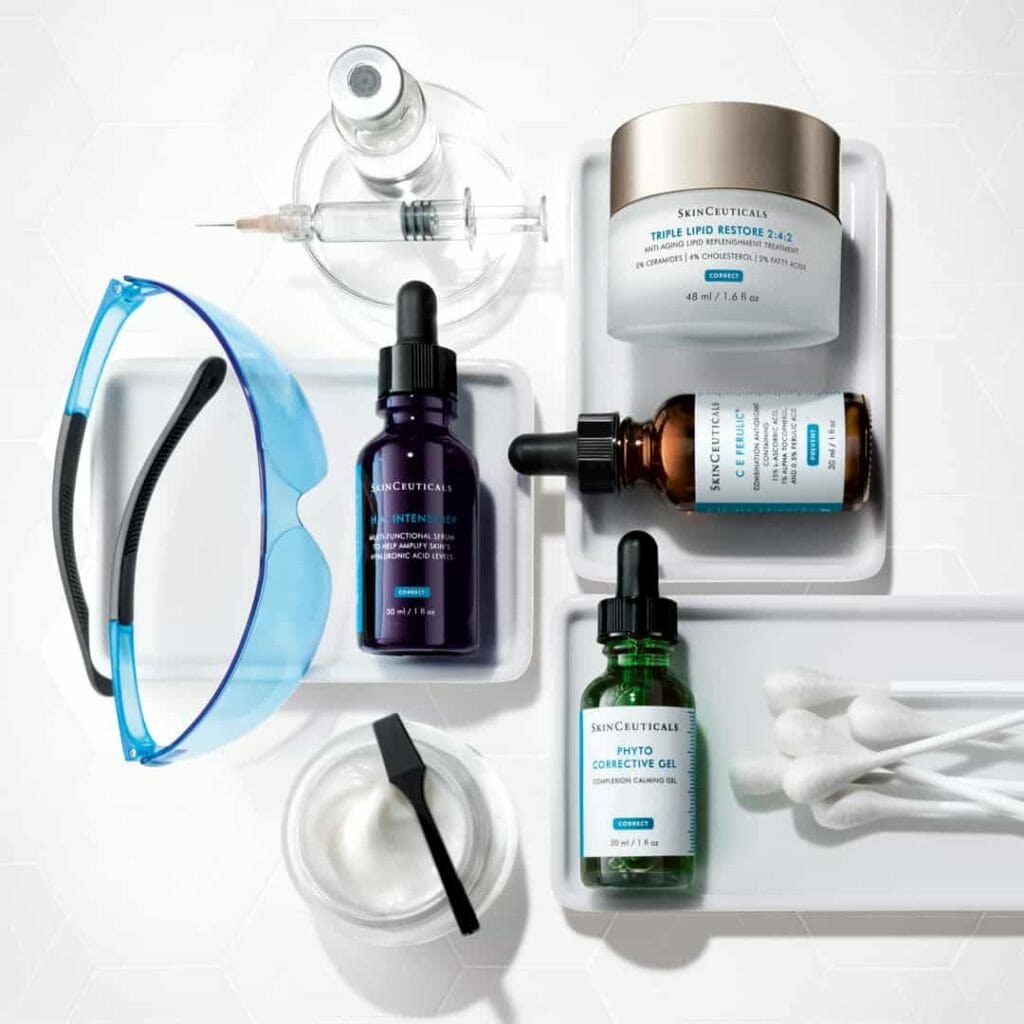
But don’t let that cynicism fool you. There is a massive difference in how these products work. A drugstore retinol might give you a gentle nudge toward cell turnover. A medical-grade retinoid from a brand like SkinCeuticals or SkinMedica aims to overhaul the skin’s surface entirely. One is a suggestion; the other is an instruction.
Since the term isn’t strictly defined by law, you have to be your own detective. You’re looking for stability, bioavailability, and the actual percentage of the active compound. If a company tells you their product is “medical grade,” they are telling you about their intent and their target market, not necessarily a legal certification.
When you look at the leaders in the space, you see a shift toward science-heavy formulations. Brands like Elta MD have carved out a niche by focusing on skin health and protection, often used by dermatologists to support skin after more invasive procedures. It’s about creating a baseline of health that allows other treatments to actually work.
| Feature | Cosmetic Skincare | Medical-Grade Skincare |
|---|---|---|
| FDA Regulation | Strict for safety/labeling | Strict for safety/labeling |
| Active Concentrations | Generally lower/gentler | Higher/more potent |
| Primary Goal | Surface appearance | Dermal-level change |
| Typical Access | Retail/Online | Often through clinics |
What Happens Inside the Clinic Walls
If you want more than just a cream, you’re looking at medical aesthetic treatments. These are procedures performed by trained professionals that go much deeper than a facial. We’re talking lasers, chemical peels, and injectables. This is the heavy lifting of the aesthetic world.
A clinic’s success depends on two things: the gear and the goods. On one hand, you have the heavy machinery. Aesthetic equipment from Henry Schein Medical provides the FDA-cleared tools that allow a practice to offer everything from laser hair removal to advanced skin tightening. Without this, a clinic is just a spa.
On the other hand, there are the consumables. A clinic isn’t just selling a service; they’re selling a protocol. This is where the 2024 essentials come into play. If you want to stay relevant in a modern practice, you need a specific toolkit. This includes dermal fillers to restore volume, skin boosters to hydrate from within, and those advanced skincare solutions that keep the skin prepped for the next procedure.
Does a patient really need all of these to see a difference? Probably not. But the synergy between a laser treatment and a high-potency serum is what creates that “lit from within” look people pay thousands of dollars to achieve. It’s a holistic approach to the face.
When a clinic sources its inventory, they often look to professional distributors like Bavaria Pharma to ensure they are getting the right medical-grade supplies. It is a high-stakes supply chain where quality isn’t a suggestion; it’s a requirement for safety and results.
The 2024 Essentials and What to Watch
The market moves fast. What was cutting-edge last year is a staple this year. If you are a practitioner, you’re constantly weighing the cost of new technology against the revenue it generates. If you are a patient, you’re wondering if you’re wasting money on yesterday’s trends.
Currently, the industry is moving away from “miracle in a jar” marketing and toward “skin health” management. People want to fix hyperpigmentation, acne, and aging through a combination of clinical intervention and daily maintenance. It’s a layered approach to beauty.
Think about the most effective routines. They usually follow a specific order:
- Protection: High-SPF mineral or chemical sunscreens (crucial for preventing further damage).
- Correction: High-concentration acids or retinoids to address existing texture or pigment.
- Hydration: Hyaluronic acid or peptides to plump the skin.
- Maintenance: Barrier-repairing creams to ensure the skin doesn’t become irritated by the “correction” phase.
But it isn’t all just about what you put on your face. The hardware matters just as much. A single high-end laser can do more for skin texture in twenty minutes than six months of topical Vitamin C. The real magic happens when the two are used in tandem.
Why Results Aren’t Always Guaranteed
You can buy the most expensive Alastin cream in the world, but if you aren’t using a high-quality sunscreen, you’re essentially pouring money into a bucket with a hole in the bottom. This is the reality of skincare. The “medical” part of the product only works if the environment it is working in is stable.
A lot of people get frustrated when they don’t see immediate changes. They expect the skin to transform overnight like it does in edited Instagram photos. But biology is slow. Skin cell turnover takes weeks, sometimes months. If you’re jumping from one product to another every three weeks, you’re never actually seeing if anything works.
Is it worth the investment? If you have a specific goal, like treating deep wrinkles or stubborn melasma, the answer is usually yes. If you just want to “glow,” you might find that a decent drugstore routine does the job just fine. The cost of medical-grade products is a reflection of the potency and the clinical testing behind them.
However, you have to be careful with your own skin. Using too many high-strength actives at once can lead to a compromised skin barrier. This is when you get that red, stinging, irritated look that many people mistake for “purging.” It isn’t purging; it’s damage. You have to respect the strength of these ingredients.
The goal isn’t to reach a state of perfect skin, because that doesn’t exist. The goal is to reach a state of healthy, resilient skin that responds well to the treatments you choose. It is a marathon, not a sprint, no matter what the salesperson tells you.
Navigating the Future of Your Routine
As we look toward the next few years, the line between “beauty” and “medicine” is only going to get blurrier. We are seeing more pharmaceutical-grade ingredients moving into the consumer space, and more consumer-grade technology moving into the home. It’s a confusing time to be a skincare enthusiast.
But there is a silver lining. Information is more accessible than ever. You don’t have to rely solely on what a salesperson tells you. You can look at the ingredient list. You can research the brands. You can understand the science of why a certain peptide might be better for you than a certain acid.
The best approach is a combination of professional guidance and disciplined home care. Don’t be afraid to ask your provider exactly why they are recommending a specific brand. If they can’t explain the science, walk away. You are paying for their expertise, not just the bottle.
Stick to the basics until you know what your skin actually needs. Don’t chase every new trend that pops up on your feed. Your skin has a memory, and it will eventually react to how you treat it, whether you’re using $200 serums or $20 ones.
Trust the science, but watch the salesperson.
Quick answers
What are medical aesthetic treatments?
Medical aesthetic treatments are non-invasive or minimally invasive procedures, such as Botox, dermal fillers, or chemical peels, performed by licensed professionals to improve skin appearance.
How many years does it take to become a medical aesthetician?
Depending on local regulations, it typically takes between one to two years of specialized training and certification to become a licensed medical aesthetician.
What are some examples of health and beauty products?
Common examples include topical skincare like serums and moisturizers, sunscreens, cleansers, and specialized medical-grade creams.
What is the highest rated skin care line?
The highest rated skincare lines vary by consumer needs, but brands like SkinCeuticals and Obagi are frequently top-rated for clinical efficacy and dermatological results.
What is the difference between medical aesthetics and standard skincare?
Medical aesthetics involves clinical procedures performed by trained professionals, whereas standard skincare refers to topical products used for daily maintenance and prevention.
